Indian Elephant Embroidery Review
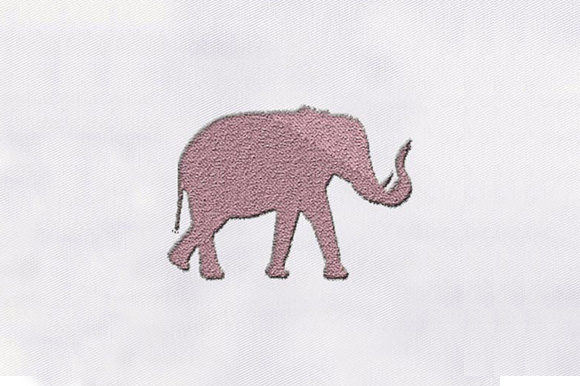
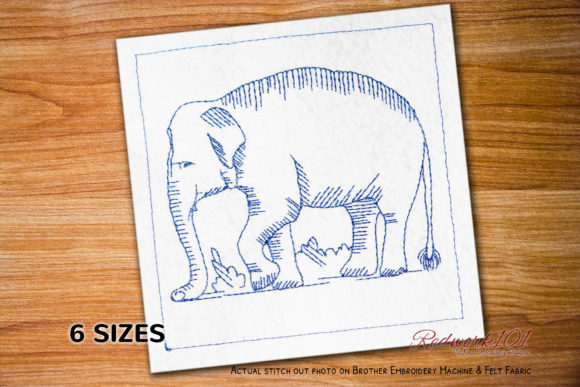
As an experienced embroidery designer, I recently had the opportunity to review the Indian Elephant machine embroidery design. This realistic line embroidery of an Indian Elephant walking in the wild immediately caught my attention with its natural and detailed portrayal of a majestic creature. It's not just a decorative piece—it has real potential for small business merch, branded patches, and more.
First Impressions: A Premium Touch for Brand Merchandise
The Indian Elephant design feels professional, elegant, and slightly rustic, which makes it ideal for brands that want to convey a sense of nature, authenticity, or adventure. The line work is clean and precise, suggesting that it was crafted with care and attention to detail. It’s not overly complex, which is great news for those who need a design that looks premium without being too busy.
For businesses looking to add a touch of nature to their branding, this design could serve as a powerful symbol of strength, wisdom, and cultural richness—especially for those targeting eco-conscious or animal-lover audiences.
Real Business Use: Where Indian Elephant Shines
The Indian Elephant design can be used across a variety of applications, from embroidered patches to custom apparel. Here are some practical ways it could enhance your brand identity:
- Embroidered Patches: As a standalone patch, the Indian Elephant would look stunning on jackets, backpacks, or tote bags. It adds a unique, handcrafted feel to any merchandise.
- Staff Uniforms: Adding this design as a chest logo or sleeve detail on staff uniforms can elevate the look of your team while reinforcing your brand’s connection to nature.
- Apron Embroidery: For a café, bakery, or handmade shop, an apron with the Indian Elephant stitched on it can become a memorable customer gift or employee uniform.
- Cap Embroidery: The design works well on caps, especially when placed on the back or side, where it won’t overpower the overall look.
- Tote Bag Design: As a subtle accent on a tote bag, the Indian Elephant can draw attention and create a lasting impression.
- Product Packaging Accents: Using this design as a small accent on packaging can give your products a premium, handmade presentation.
- Etsy Branding: For handmade brands selling on Etsy, this design could be used as part of a larger collection of digital embroidery files, adding value to your shop.
Where to Use with Caution
While the Indian Elephant is versatile, there are certain scenarios where it should be used carefully:
- Small Patch Sizes: Due to the level of detail, reducing the size too much may compromise the clarity of the lines.
- Curved Surfaces: The design might not translate well to curved areas like mugs or bottles without additional adjustments.
- Dark Uniforms: Ensure that the thread colors contrast well with dark fabrics to maintain visibility.
- Frequent Washing: If using on items that will be washed often, check the fabric texture and use appropriate stabilizers to prevent fraying.
Impact on Brand Identity and Customer Perception
Using the Indian Elephant in your branding can significantly impact how customers perceive your business. It adds a sense of quality and thoughtfulness, which can increase customer trust and recognition. The design’s natural theme aligns well with eco-friendly or artisanal brands, helping to reinforce your brand’s visual consistency and storytelling.
When used effectively, this design can elevate your product value and create a stronger emotional connection with your audience. It also allows for a handmade presentation that stands out in today’s fast-paced market.
Practical Embroidery Designer Notes
If you're considering using the Indian Elephant for commercial embroidery projects, here are a few tips to keep in mind:
- Test in Black and White: Before finalizing the color scheme, test the design in black and white to ensure the lines remain clear and defined.
- Check Small Patch Size: Confirm that the design still looks good at smaller sizes if you plan to use it as a patch.
- Review Thread Color Contrast: Choose thread colors that stand out against the fabric you’ll be using.
- Inspect Spacing: Ensure there is enough spacing between elements to avoid overcrowding the design.
- Confirm Hoop Size: Make sure the hoop size matches the design’s dimensions to avoid distortion.
- Test on Real Fabric: Always test the Indian Elephant on the actual fabric before mass production.
- Use Proper Stabilizer: Especially for delicate or textured fabrics, a good stabilizer is essential to maintain the integrity of the finished product.
- Create a Mockup: Provide a printable mockup to clients for approval before proceeding with any large orders.
- Compare with Other Assets: Ensure the Indian Elephant aligns with your other design assets for visual consistency.
- Confirm Commercial Licensing: Always verify that you have the right to use the Indian Elephant for commercial purposes.
In summary, the Indian Elephant is a strong contender for small business merch, custom apparel, and branded patches. Its natural elegance and versatility make it a valuable addition to any designer’s portfolio. Just remember to test it thoroughly and consider the context in which it will be used to ensure the best results.